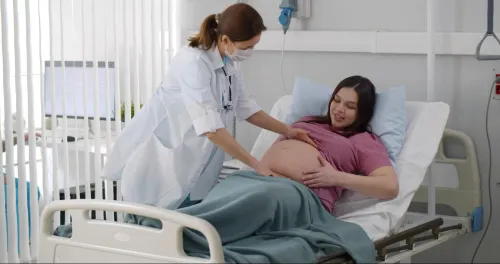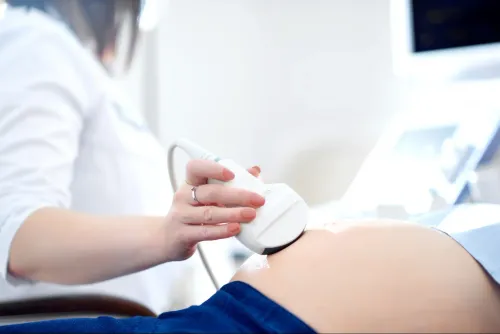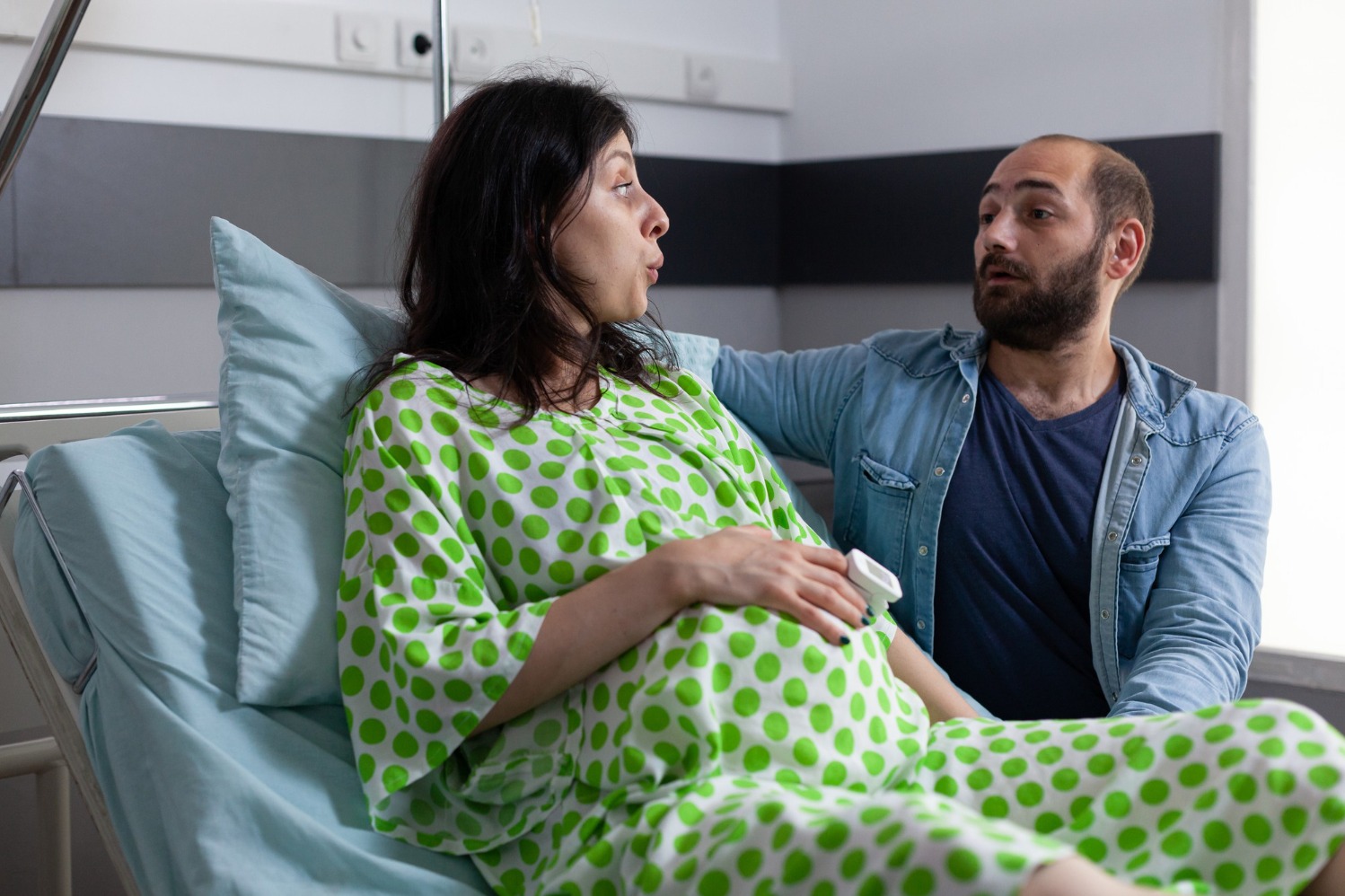
Being told that a pregnancy is considered high-risk pregnancy can create understandable concern. The term does not automatically mean that a serious complication will occur. It generally indicates that certain maternal, fetal, medical, or pregnancy-related factors may require additional observation or specialized management.
For expecting mothers in Mira Bhayandar, Maharashtra, understanding the difference between routine and higher-risk care can make the term less confusing.
What Can Make a Pregnancy Higher Risk?
Risk assessment is individualized. A pregnancy may need closer monitoring because of an existing medical condition, a previous pregnancy history, or a concern identified during the current pregnancy.
Examples can include:
- High blood pressure
- Diabetes developing before or during pregnancy
- Thyroid or other medical conditions
- Multiple pregnancy
- Certain placental concerns
- Previous pregnancy complications
- Previous preterm birth
- Some fetal growth concerns
- Maternal age-related considerations
- Previous uterine or obstetric surgery
Having one of these factors does not predict a specific outcome. It helps the obstetric team determine what level of observation may be appropriate.
Routine and High-Risk Monitoring Are Not Identical
In an uncomplicated pregnancy, antenatal appointments generally follow a standard schedule adjusted as pregnancy progresses.
Higher-risk pregnancies may require more frequent reviews or additional investigations depending on the specific concern. Monitoring may focus more closely on maternal blood pressure, blood glucose, fetal growth, laboratory parameters, or other relevant indicators.
The important distinction is not simply the number of appointments. It is the reason for the monitoring and how findings influence care.
Ask What Your Individual Risk Actually Means
The phrase “high risk” covers many different circumstances, so patients should understand their specific situation.
Useful questions include:
- Which factor has changed my pregnancy risk category?
- What additional monitoring is recommended?
- Are there symptoms I should watch for specifically?
- Does this affect my delivery planning?
- Are changes to medication or daily activities required?
Specific answers are more useful than general information because two women classified as higher risk may have very different clinical needs.
Delivery Planning May Require Additional Consideration
A higher-risk classification does not automatically determine the mode of delivery. Decisions about childbirth depend on the clinical circumstances closer to and during labour.
Women seeking high-risk pregnancy care in Mira Bhayandar can consult Mamata Womens Hospital for individualized assessment and monitoring based on their medical and obstetric history.
The practical goal of identifying risk is to guide appropriate surveillance and planning. Keeping appointments, following prescribed treatment, carrying updated reports, and reporting significant symptoms promptly can help the care team respond to changes throughout pregnancy.
6. Understanding Normal Delivery and the Factors That Influence Childbirth
Many expecting mothers hope for a normal delivery, commonly referring to vaginal childbirth. While it is useful to understand how vaginal birth occurs, no responsible birth plan can guarantee a particular mode of delivery in advance.
For pregnant women in Mira Bhayandar, Maharashtra, the most useful approach is to understand the factors that influence labour while remaining prepared for changes based on maternal and fetal wellbeing.
Several Factors Affect the Course of Labour
Childbirth is influenced by multiple clinical factors rather than one decision made before labour begins.
These may include:
- Position of the baby
- Progress of labour
- Cervical changes
- Maternal health
- Fetal wellbeing
- Placental factors
- Previous childbirth history
- Previous uterine surgery
- Pregnancy complications that may arise
These factors are assessed together when determining how labour should be managed.
Preparation Is More Useful Than Promises
Expecting mothers sometimes encounter claims that particular routines, foods, exercises, or treatments can guarantee vaginal birth. Such promises can create unrealistic expectations.
Healthy pregnancy habits may support general maternal wellbeing, but the eventual mode of delivery depends on clinical circumstances.
Pregnancy preparation can instead focus on practical steps such as attending antenatal appointments, discussing suitable physical activity, understanding labour signs, learning available pain-management methods, and keeping medical records organized.
What Happens When Labour Begins?
Labour commonly involves contractions and progressive cervical changes. Some women may experience rupture of membranes before or during established labour.
Once a woman reaches the maternity facility, the care team may assess maternal vital signs, labour progress, and fetal wellbeing as appropriate.
Not every labour progresses at the same speed. Decisions are made according to how the mother and baby are doing rather than according to a fixed timeline alone.
When Might the Birth Plan Change?
Sometimes labour does not progress as expected, or a concern develops that makes another form of delivery more appropriate.
The need for intervention should be considered in the context of the individual clinical situation. Asking the obstetric team why a particular step is being recommended can help expecting parents understand decisions more clearly.
Women planning childbirth in Mira Bhayandar can discuss normal delivery expectations with Mamata Womens Hospital, including labour preparation, monitoring, pain-relief options, and circumstances that may change the delivery plan.
A positive childbirth experience is not defined solely by whether delivery follows the original plan. Being informed, understanding available options, and having decisions guided by current clinical findings are important parts of preparing realistically for labour and birth.
Keywords