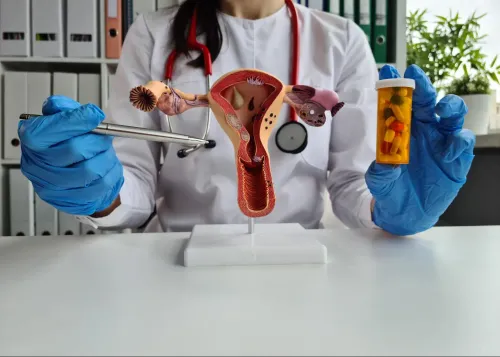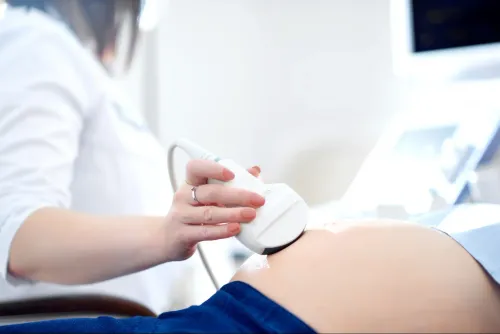
Women do not need the same type of healthcare throughout life. Menstrual concerns may dominate during younger years, fertility and pregnancy may become priorities later, and menopause introduces another set of health considerations.
Having access to gynaecological and obstetric care allows these changing needs to be addressed within the appropriate clinical context.
Menstrual and Gynaecological Concerns
Irregular periods are among the most common reasons women seek gynaecological advice.
A single unusual cycle may not indicate a health problem, but persistent changes can warrant assessment. Possible causes range from lifestyle and hormonal factors to PCOS, thyroid conditions, pregnancy and perimenopause.
Mamata Hospital provides gynaecology and obstetric care in Mira Bhayandar for women seeking evaluation across different reproductive stages.
PCOS and PCOD Management
Women experiencing irregular periods alongside acne, unwanted hair growth, weight concerns or fertility difficulties may require assessment for PCOS.
Management is individualised because symptoms and priorities vary. Someone planning pregnancy may need a different approach from someone whose primary concern is menstrual regulation.
Fertility Evaluation
When conception is taking longer than expected, evaluation can help identify factors that may be affecting fertility.
Assessment may consider menstrual and ovulatory patterns, reproductive history, relevant medical conditions and male factors.
Infertility treatment should therefore be based on findings rather than assuming every couple requires the same intervention.
Pregnancy and Obstetric Care
Once pregnancy is established, antenatal care provides ongoing opportunities to monitor maternal health and fetal development.
Pregnancy care may include routine assessments, investigations, counselling and delivery planning.
Women whose pregnancies involve additional risk factors may require closer monitoring.
Normal Delivery, Pain Relief and C-Section
Delivery planning becomes increasingly important toward the end of pregnancy.
Women can discuss preferences for vaginal delivery, labour pain relief and other aspects of childbirth. Caesarean section may be recommended when maternal, fetal or labour-related circumstances make surgical delivery appropriate.
Rather than viewing these as competing choices, the focus should remain on the safest clinically appropriate delivery plan.
Menopause Care
Reproductive healthcare continues after the childbearing years.
Perimenopause can cause changes in menstrual patterns, sleep, mood and physical comfort. Menopause care can help women understand these symptoms and explore suitable management strategies.
Unexpected bleeding, particularly bleeding after menopause, should be medically assessed rather than assumed to be a routine hormonal change.
Choosing Care in Mira Bhayandar
Women considering a gynaecologist or obstetric provider should look beyond a single service.
Continuity can be valuable when menstrual history, fertility concerns, pregnancy history and later health changes need to be understood together.
Whether the immediate concern is PCOS, irregular periods, infertility, pregnancy, high-risk pregnancy or menopause, the first useful step is a proper assessment. From there, care can be matched to the woman’s age, symptoms, medical history and reproductive goals.
Keywords