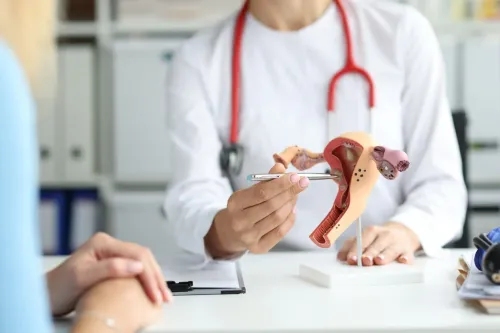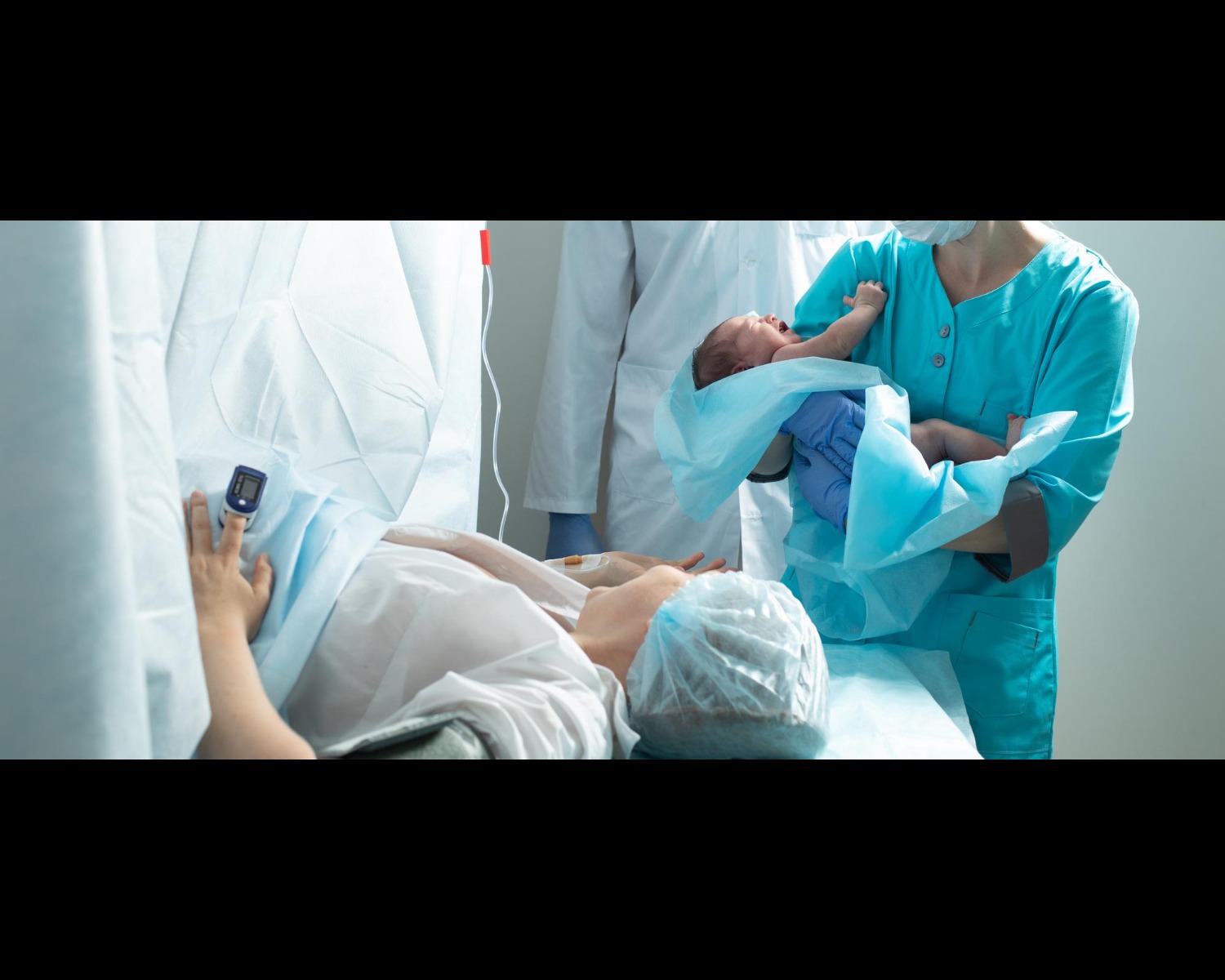
The phrase painless delivery is commonly used when discussing pain relief during labour, particularly epidural analgesia. The term can be misleading because the aim of labour analgesia is generally to reduce pain significantly rather than promise that every sensation will disappear.
Expecting mothers in Mira Bhayandar, Maharashtra, who are considering pain relief during childbirth should understand what the option involves before labour begins.
What Is an Epidural?
An epidural is a form of regional pain relief administered by an appropriately trained medical professional. Medication is delivered through a small catheter positioned in the lower back.
It is intended to reduce labour pain while allowing the mother to remain awake and participate in childbirth.
The experience varies between individuals. Some women obtain substantial pain relief while continuing to feel pressure or other sensations associated with contractions and delivery.
Is Painless Delivery Suitable for Everyone?
Not necessarily.
Before an epidural is considered, the medical team reviews relevant clinical information. Certain medical conditions, medications, laboratory findings, infection-related concerns, or other factors may affect whether an epidural is appropriate.
This is why women interested in labour analgesia should discuss it during pregnancy rather than relying only on information obtained at the last minute.
Questions Worth Asking Before the Due Date
A useful discussion with the maternity team can include:
- What labour pain-relief methods are available?
- When can an epidural usually be considered?
- Who evaluates whether I am suitable for it?
- What monitoring is needed after it is administered?
- What effects or complications should I understand?
- What happens if an epidural is not advisable in my situation?
- What alternative pain-management methods are available?
These questions help create realistic expectations and make informed consent more meaningful.
Does an Epidural Decide the Mode of Delivery?
The mode of delivery is determined by the overall course of labour and the health of the mother and baby. Pain relief is one component of labour management, not a guarantee of how childbirth will progress.
Expecting mothers should therefore avoid viewing painless delivery and normal delivery as competing choices. Pain management and mode of birth are separate clinical considerations.
Women considering painless delivery in Mira Bhayandar can discuss labour analgesia and childbirth planning with Mamata Womens Hospital during antenatal visits. Individual suitability can then be assessed using relevant medical history and pregnancy information.
Learning about pain-relief choices before labour gives expecting mothers time to ask questions without the pressure of active contractions. A flexible birth plan that considers preferences while allowing clinical decisions to adapt to circumstances is often the most practical approach.
Keywords