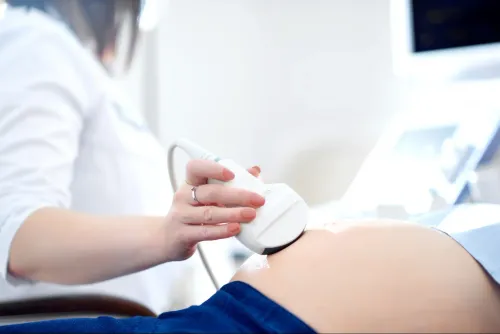
Trying to conceive can become stressful when pregnancy does not happen as expected. One common mistake is assuming that infertility treatment immediately means advanced fertility procedures.
In reality, the first step is usually evaluation.
Fertility Depends on More Than One Factor
Pregnancy requires several biological processes to work together, including ovulation, healthy reproductive anatomy and male reproductive factors.
For this reason, fertility assessment is generally most useful when approached as a couple rather than assuming from the beginning that the difficulty lies with one partner.
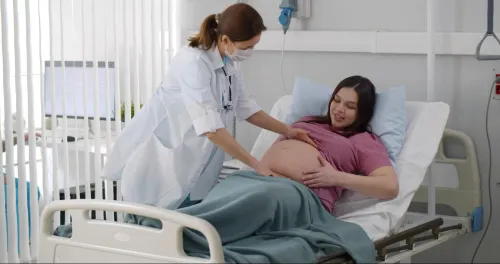
Mamata Hospital in Mira Bhayandar provides gynaecological assessment for women with fertility-related concerns and can guide further evaluation based on individual circumstances.
When Is Evaluation Worth Discussing?
The appropriate timing depends partly on age, medical history and known reproductive concerns.
Earlier discussion may be sensible when there are factors such as:
- Very irregular or absent periods
- Known PCOS
- Previous reproductive or pelvic conditions
- Concerns about ovulation
- Relevant previous surgery
- Recurrent pregnancy loss
- Other known medical or reproductive factors
Age also affects fertility, so the same timeline is not appropriate for every couple.
What Happens During the Initial Assessment?
The first consultation usually focuses on history rather than immediately recommending treatment.
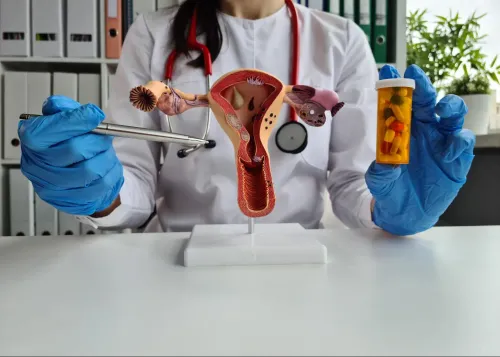
For the woman, the doctor may discuss menstrual cycles, previous pregnancies, contraception history, medical conditions, medicines and symptoms that could suggest an ovulation problem.
Investigations are selected according to the clinical situation.
Male-factor assessment can also be an important part of understanding why conception has not occurred.
Irregular Periods Can Affect Conception
Women with irregular cycles may not ovulate predictably. This can make conception more difficult because identifying the fertile window becomes challenging.
PCOS is one possible reason for irregular ovulation, but it is not the only explanation. Proper evaluation matters before treatment is selected.
Treatment Should Follow the Cause
Infertility treatment is not a single procedure.
Depending on the findings, management might involve addressing an underlying health issue, supporting ovulation, lifestyle measures or referral for additional fertility treatment when appropriate.
Couples in Mira Bhayandar should therefore focus first on identifying the likely cause rather than selecting a treatment based on someone else’s fertility journey.
A structured evaluation can answer three essential questions: Is ovulation occurring? Are there female reproductive factors affecting conception? Are male factors contributing?
Once these questions are investigated, the next step becomes much clearer and treatment can be matched to the couple’s actual needs.
Keywords