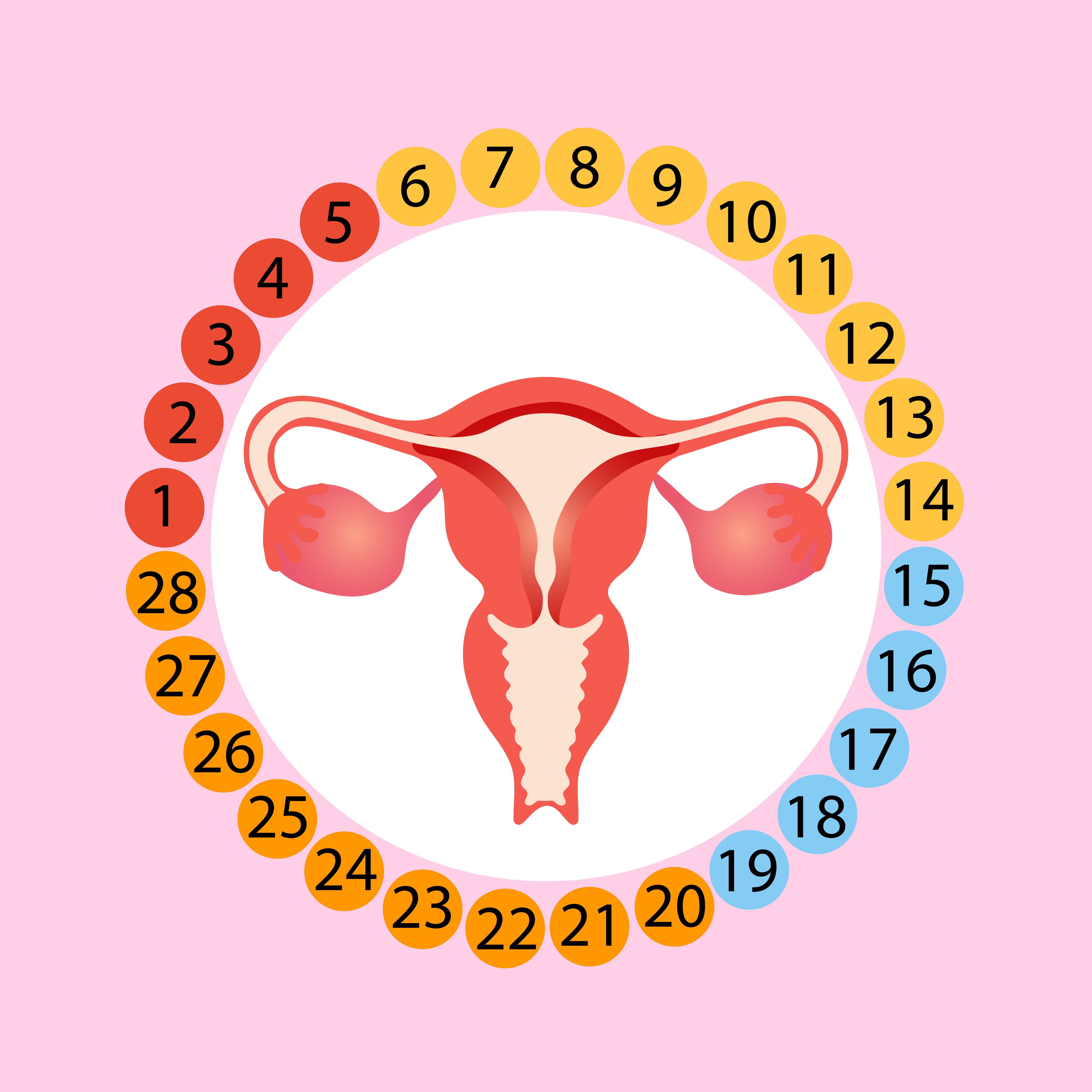
A menstrual cycle does not have to occur on exactly the same calendar date every month. Some variation can happen naturally. However, irregular periods that persist, change suddenly, or occur alongside other symptoms may need gynaecological assessment.
For women in Mira Bhayandar, Maharashtra, knowing when to stop waiting for the cycle to “settle on its own” can help identify conditions that may require management.
What Counts as an Irregular Pattern?
Menstrual irregularity can appear in different ways.
A woman may notice:
- Long gaps between periods
- Periods occurring unexpectedly frequently
- Missed periods
- Significant changes from her usual cycle
- Unpredictable bleeding
- Very light or unusually heavy periods
- Bleeding between expected periods
A single unusual cycle does not necessarily indicate a medical problem. Repeated changes are more informative.
Why Can Menstrual Cycles Change?
Periods are influenced by hormonal communication between different parts of the body. Changes can occur for many reasons.
Possible factors include pregnancy, PCOS, thyroid conditions, significant changes in body weight, certain medications, stress-related influences, perimenopause, and other hormonal or gynaecological conditions.
The cause cannot reliably be identified from cycle pattern alone.
When Is Evaluation Particularly Important?
Seek medical assessment when irregular periods continue over several cycles or are accompanied by symptoms such as significant pelvic pain, excessive bleeding, dizziness, unusual hair growth, persistent acne, or difficulty conceiving.
A missed period in someone who could be pregnant should also prompt consideration of pregnancy testing and appropriate medical guidance.
Bleeding after menopause requires medical evaluation rather than being treated as an ordinary menstrual variation.
Keep a Menstrual Record
A cycle diary can make the consultation considerably more useful.
Record:
- The first day of each period
- Approximate duration
- Bleeding pattern
- Pain or associated symptoms
- Bleeding between periods
- Relevant medication changes
Digital period-tracking applications can be convenient, but a simple written calendar works equally well for showing patterns.
Women experiencing irregular periods in Mira Bhayandar can approach Mamata Womens Hospital for assessment of persistent menstrual changes. Depending on symptoms and history, evaluation may include clinical examination, pregnancy testing, blood investigations, ultrasound, or other tests when indicated.
The goal is not merely to make the next period arrive. Identifying why menstrual patterns have changed can help determine whether treatment is necessary and which approach is appropriate for the woman’s age, symptoms, medical history, and reproductive plans.
Keywords