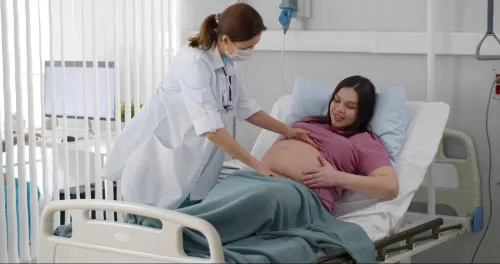
Uterine fibroids are non-cancerous growths that develop from the muscle and connective tissue of the uterus. Some women have fibroids without experiencing any noticeable problems, while others develop heavy bleeding, pelvic pressure, pain, or reproductive concerns.
For women in Mira Bhayandar, Maharashtra, the presence of a fibroid does not automatically mean that a procedure is required. Treatment decisions depend on symptoms, fibroid characteristics, age, reproductive plans, and overall health.
Fibroids Can Cause Different Symptoms
Symptoms can vary according to the number, size, and location of fibroids.
Possible concerns include:
- Heavy menstrual bleeding
- Periods lasting longer than usual
- Pelvic pressure or fullness
- Abdominal enlargement
- Pain or discomfort
- Frequent urination in some cases
- Reproductive concerns in certain situations
Heavy menstrual bleeding can also contribute to iron-deficiency anaemia, which may cause tiredness, weakness, or other symptoms.
Not Every Fibroid Needs Active Treatment
A fibroid discovered incidentally during an ultrasound may not require immediate intervention if it is not causing significant problems.
Monitoring can sometimes be appropriate. In other cases, symptoms may justify medication, further investigation, or procedural treatment.
This is why choosing treatment based only on the measured size of a fibroid can be misleading. Its location, symptoms, effect on the uterine cavity, growth pattern, and the woman’s future pregnancy plans may all matter.
Questions to Ask Before Choosing Treatment
Women evaluating fibroid management can ask:
- Is the fibroid likely to explain my symptoms?
- Where is it located?
- How many fibroids are present?
- Do I have anaemia from heavy bleeding?
- Is monitoring reasonable in my case?
- What medical and procedural options are relevant?
- How could treatment affect future pregnancy plans?
These questions help move the discussion from simply “Do I have fibroids?” to “What does this finding mean for me?”
When Should Symptoms Be Assessed Promptly?
Very heavy bleeding, worsening pain, dizziness, marked weakness, or other significant symptoms should not be ignored. The appropriate urgency depends on symptom severity and individual circumstances.
Women seeking evaluation for fibroids in Mira Bhayandar can consult Mamata Womens Hospital with previous ultrasound reports and details of their menstrual symptoms. Further assessment can then be planned according to clinical findings.
Fibroid management is most useful when it is symptom-led and individualized. Understanding whether the fibroid is actually responsible for the problem is an important step before deciding between observation, medication, or a procedure.
Keywords