Women’s health needs change significantly across different stages of life. From the first menstrual cycles and reproductive years to pregnancy and menopause, having access to appropriate gynaecology care can help identify concerns early and guide women toward suitable treatment.
For women in Mira Bhayandar, Maharashtra, understanding when to consult a gynaecologist is particularly useful because many symptoms that appear minor can sometimes require medical assessment.
What Does Gynaecology Care Include?
Gynaecology focuses on the health of the female reproductive system. However, a consultation is not limited to treating an existing disease. It may also involve preventive evaluation, menstrual health, reproductive planning and age-related changes.
Mamata Hospital provides gynaecology services for women seeking evaluation and care for different reproductive and menstrual health concerns.
A gynaecologist may be consulted for:
- Irregular or missed periods
- Unusually heavy or prolonged menstrual bleeding
- Persistent pelvic or lower abdominal pain
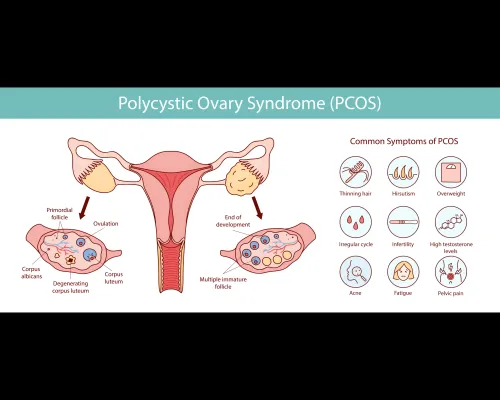
- PCOS or PCOD symptoms
- Fertility-related concerns
- Vaginal discharge, itching or discomfort
- Menopause-related symptoms
- Pre-pregnancy counselling
- Routine reproductive health assessments
When Are Irregular Periods Worth Checking?
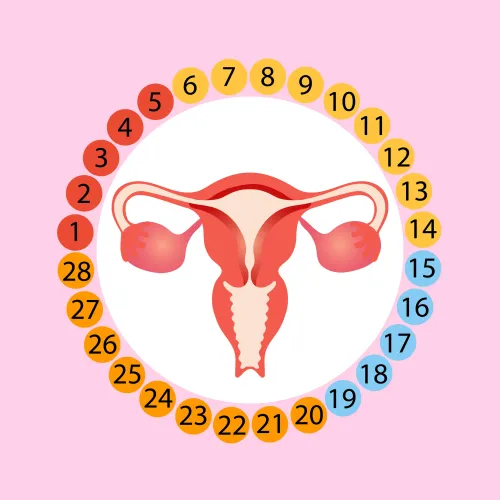
A menstrual cycle does not need to occur on exactly the same date every month. Some variation can be normal. However, a noticeable change from your usual menstrual pattern deserves attention, particularly when irregular periods continue or occur alongside other symptoms.
Changes may be associated with factors such as hormonal variations, weight changes, stress, thyroid problems, PCOS or the transition toward menopause. The underlying cause determines whether treatment is required.
Keeping a record of cycle dates, bleeding duration and associated symptoms can make a gynaecology consultation more useful.
Gynaecological Care During Different Life Stages
The reason for seeing a gynaecologist often changes with age.
Younger women may seek help for menstrual irregularity, painful periods or PCOS-related concerns. During the reproductive years, consultations may involve contraception, pregnancy planning, infertility evaluation or pregnancy care.
Later, perimenopause and menopause can bring changes such as irregular periods, hot flushes, sleep disturbances and other symptoms that may need individualised management.
Do You Need Symptoms to Visit a Gynaecologist?
Not necessarily.
Preventive discussions can be valuable even when there is no immediate health problem. Depending on a woman’s age, history and individual risk factors, a doctor can advise whether specific screening or follow-up is appropriate.
For women living in Mira Bhayandar and surrounding areas, establishing continuity of gynaecological care can also make it easier to discuss changes over time rather than treating each symptom in isolation.
Pay attention to persistent changes in your body rather than assuming every menstrual or reproductive symptom will resolve independently. Timely evaluation can clarify the cause and help determine the right next step.
Keywords