One of the most common questions during pregnancy is whether the baby will be born through a normal vaginal delivery or Caesarean section. It is understandable to have a preference, but the safest delivery method cannot always be decided months in advance.
The decision depends on the health of the mother, the baby and the circumstances around labour.
Understanding Normal Delivery
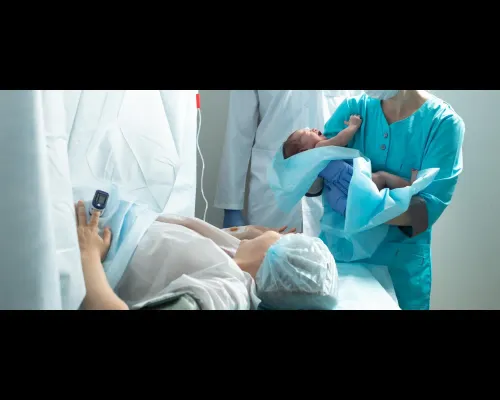
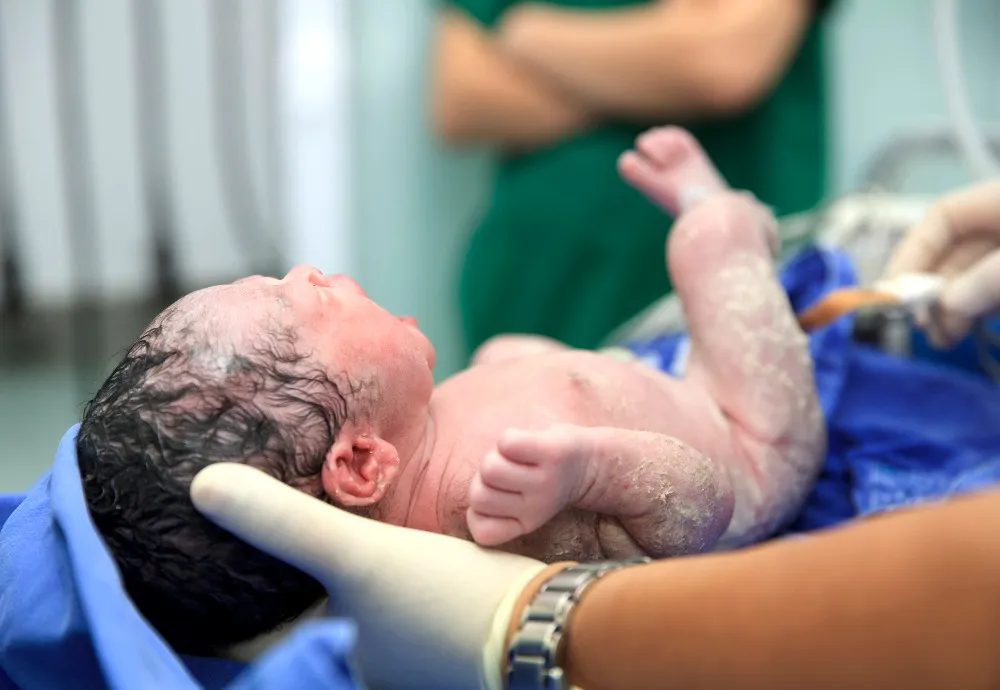
A vaginal birth occurs when the baby is delivered through the birth canal.
For many women with uncomplicated pregnancies, vaginal delivery may be appropriate. Recovery and hospital stay can differ from those associated with major abdominal surgery, although individual experiences vary considerably.
Antenatal assessment helps determine whether any maternal or fetal factor could influence the delivery plan.
When Might a Caesarean Section Be Considered?
A C-section is a surgical procedure used to deliver the baby through incisions in the abdomen and uterus.
It may be planned before labour or become necessary during labour.
Reasons vary and can include certain fetal positions, placental problems, concerns about maternal or fetal wellbeing, labour that is not progressing as expected or other obstetric circumstances.
Because a Caesarean is surgery, its potential benefits and risks should be considered in the context of the individual pregnancy.
Can You Choose Your Delivery Method?
Preferences matter and should be discussed with the obstetric team.
However, childbirth can be unpredictable. A woman planning a vaginal delivery may require an emergency C-section if circumstances change. Similarly, a previous Caesarean does not answer every question about the mode of delivery in a future pregnancy.
Mamata Hospital provides obstetric and delivery care in Mira Bhayandar, with delivery planning based on maternal and fetal assessment.
What Should You Discuss Before Labour?
During the later stages of pregnancy, discuss:
- Your preferred birth experience
- Previous deliveries or Caesarean sections
- Pain-relief preferences
- Existing medical conditions
- Current pregnancy complications
- When to come to the hospital
- What circumstances might change the birth plan
These conversations are more useful than treating “normal delivery versus C-section” as a competition between two options.
Safety Comes Before a Fixed Birth Plan
A birth plan is useful because it helps communicate preferences. It should also remain flexible.
The safest option at 36 weeks may not necessarily remain the safest option once labour begins. Fetal wellbeing, labour progress and maternal health can all affect decision-making.
Expectant parents in Mira Bhayandar can use antenatal consultations to understand both vaginal birth and Caesarean delivery before labour starts.
The aim should not be to achieve one particular mode of delivery at all costs. The priority is a well-informed plan that can adapt to the clinical needs of mother and baby.
Keywords